
From injury to impact, Founder Mike Nemesvary on 40 years of Back Up
7 January 2026
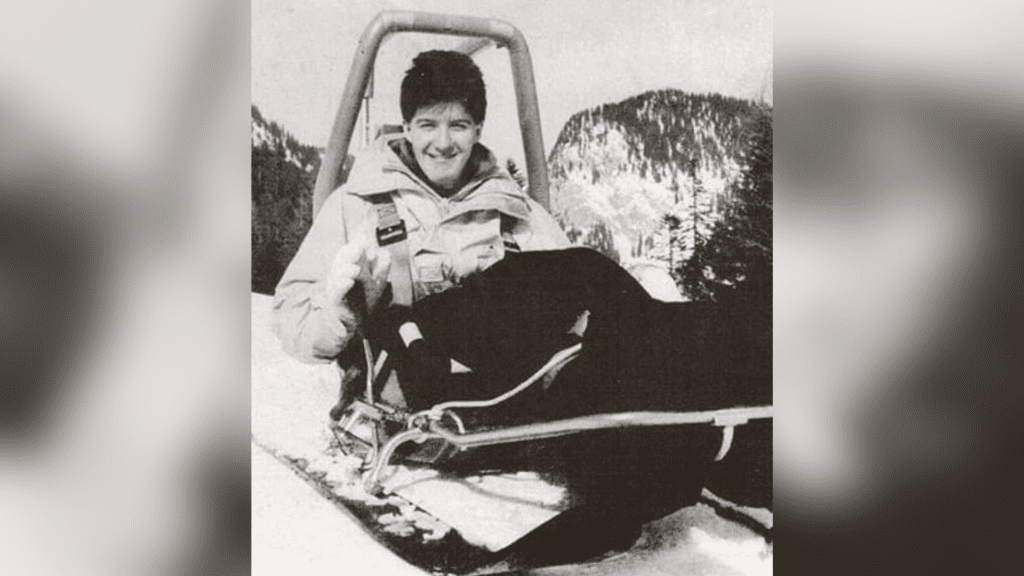
Founder Mike Nemesvary on spinal cord injury, independence, and the movement that has helped transform thousands of lives.
Can you tell us a bit about your background before your injury, and what eventually led you to establishing Back Up?
My background was as a World Cup freestyle skier, competing internationally from 1975 to 1985. I became captain of the British Team, and was able to secure many podium finishes and World Cup victories along the way.
Around that time, I was also looking at career opportunities in sport and had started taking steps to learn how to become a sport promoter.
Everything changed on 18 May 1985 when I landed awkwardly whilst completing a trampolining training session and became a C4/5 complete quadriplegic. That was 40 years ago.
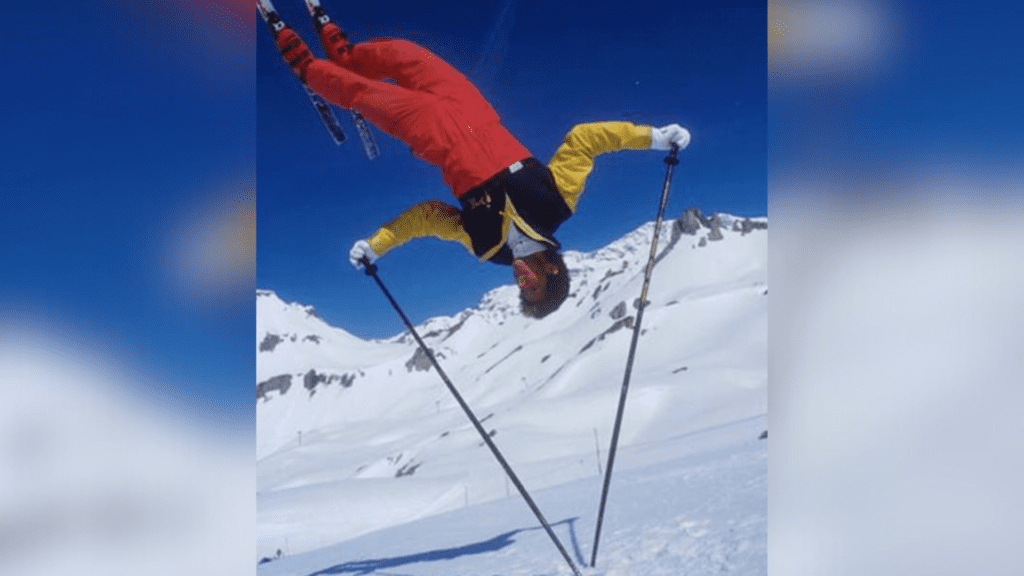
Back Up founded in 1986 by Mike Nemesvary, former British and European Freestyle Champion
What motivated you to establish the charity?
Soon after leaving hospital, I travelled to Switzerland to meet the pioneer of sit skiing, Raymond Schneebeli. Getting into that sit-ski for the first time, feeling the controls, the movement and above all the independence completely transformed my outlook.
I came home thinking, if I can learn to ski again, what else can I do? And more importantly, how can I share this feeling with others?
That’s what sparked Back Up. As a member of the spinal injured community, it wasn’t enough for hospitals to simply “repair our bodies “. We needed purpose, opportunity, and quality of life. Back Up has always been about helping to provide people with that opportunity.
What were the key stages and challenges early on?
We started in a very humble way. In the early years, we were connected with the British Ski Federation and focused on skiing related activities.
Moving on, most of what we did then were outward-bound style courses. But things really shifted when we had the leadership in place who gave us a bigger vision and clearer direction, and when we started actively listening to our community.
That’s when wheelchair skills and other core services were developed.
The first 10 years were tentative, but they laid the foundations for everything that followed.
What challenges did you face in the beginning, and how did you overcome them?
The biggest challenge was funding. We didn’t receive government support, and charitable fundraising is always difficult and complex.
We overcame those challenges through creativity and community. Events like the snow themed Balls raised vital funds and brought people together.
And over time, we built strong partnerships with different organisations and other spinal charities, so we weren’t “competing” but working together to support people in different ways.
What impact do you feel Back Up has had over the years?
I think Back Up has been a genuine lifesaver. Not just for me, but for thousands of people over the years.
When someone has self-motivation and determination, Back Up gives them the support, community and skills to turn that into independence.
I’m also proud of how the team has listened to and echoed what the community wants. The Back Up Lounge is a great example – a shared space driven by people affected by spinal cord injury.
What are you most proud of from your involvement?
The fact that we’re celebrating 40 years says everything. It means we’ve set and achieved bold, long-term goals.
I’m proud of our work on the Limitless Ambition strategy and our world-class mentoring programme. I’m proud that a large proportion of our staff are people with a spinal cord injury. It keeps us connected, authentic and grounded.
And being recognised by The Sunday Times as one of the UK’s best companies to work for in regard to the disabled community speaks volumes about our culture.
What are your hopes for Back Up’s future?
Keep going. Be bold. Be ambitious.
I love that we hold ourselves to a high standard of accountability and transparency. We’re clear about how we spend our money and how we deliver impact.
Looking ahead five to ten years, we know where we’re going. We need to think big, but always make sure we can deliver.
As people with spinal cord injury live longer now, what support is needed for the older generation?
It’s a critical issue. In the 70s and 80s, life expectancy after a spinal cord injury was often only five or ten years.
Now members of our community can expect to live into their 70s and 80s, regardless of the level of injury.
We need more research and a deeper understanding of ageing with spinal cord injury. People require support at every stage; from the moment they’re injured right through to later life. Back Up has a role to play in ensuring no one is left without the support they need.
Join the celebrations
Throughout 2026, we’ll be reflecting on our story and the people who made Back Up what it is today.
You can be part of it too:
- Share your memories and photos in our Back Up 40th Birthday Facebook Group
- Explore our journey through the Back Up 40 Timeline
- Join us for the grand finale – the Back Up Birthday Ball in December 2026